




Museo de Sitio de la Casa de la Primera Imprenta de América
Museo de Sitio de la Casa de la Primera Imprenta de América
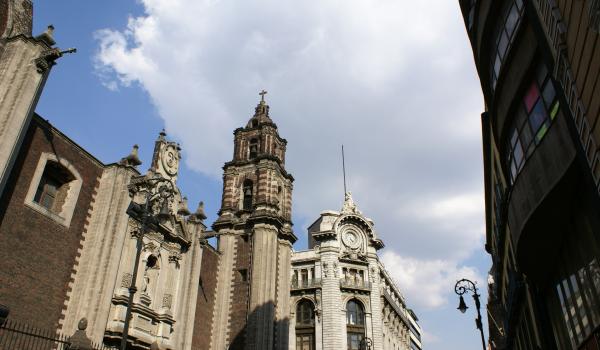
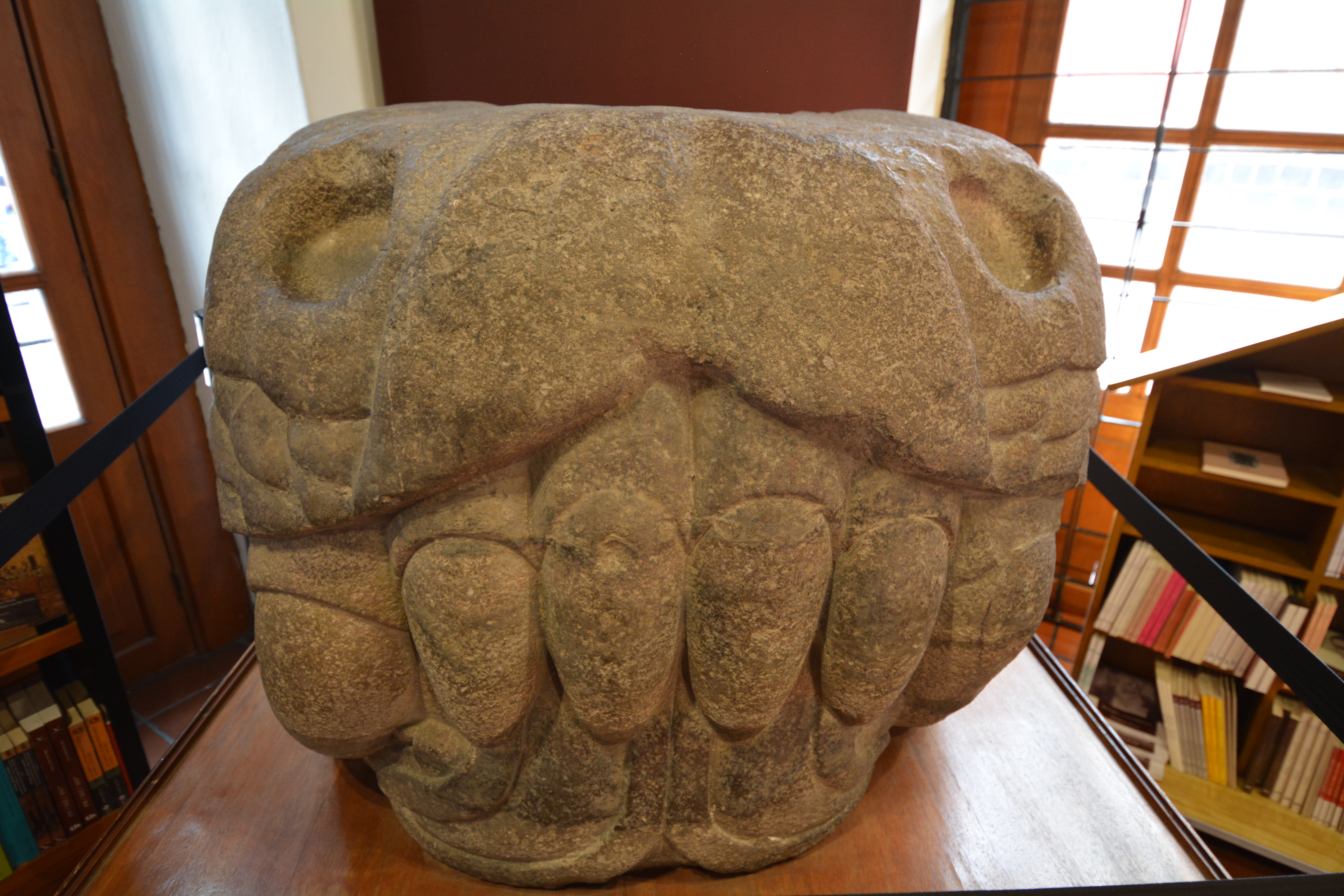
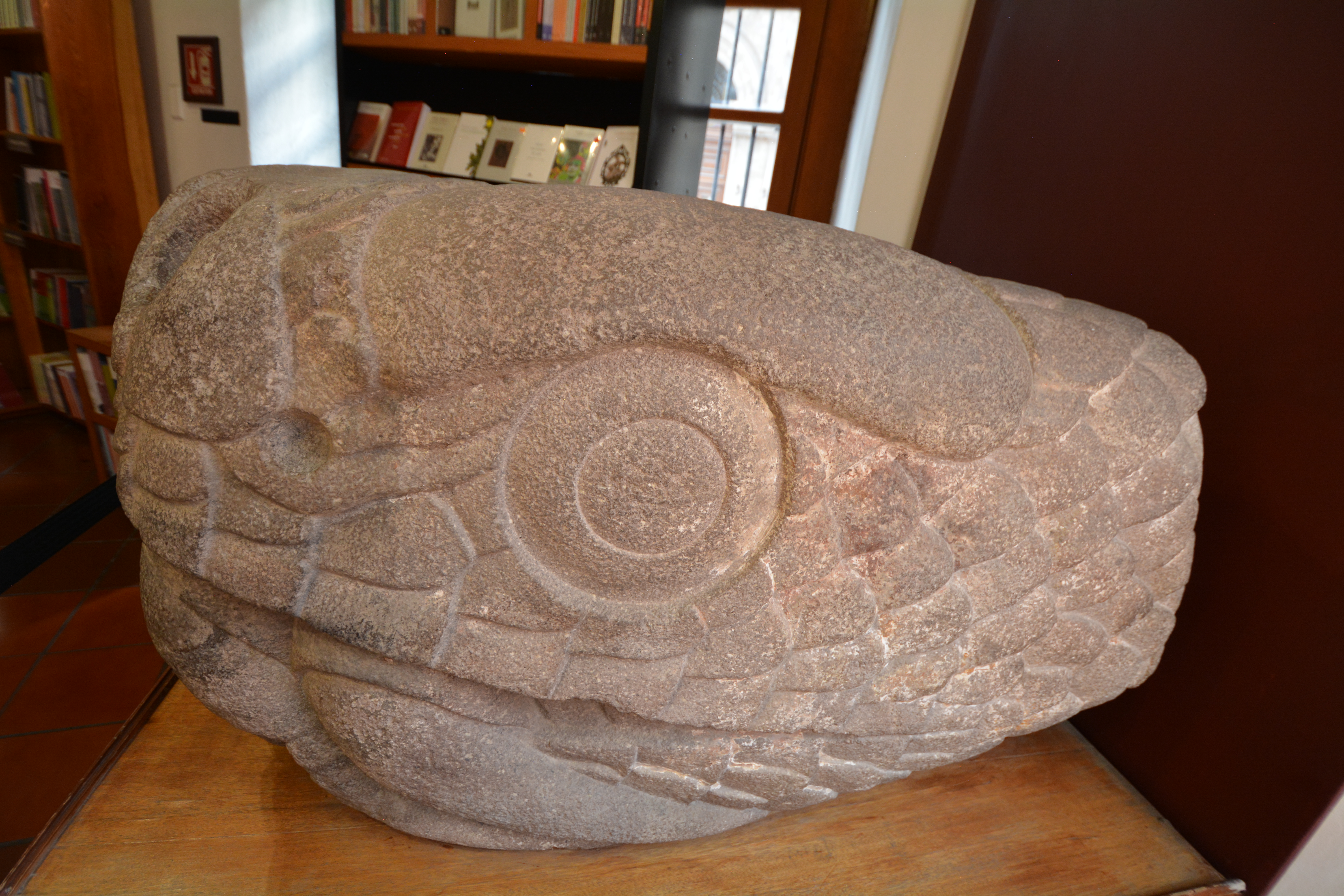
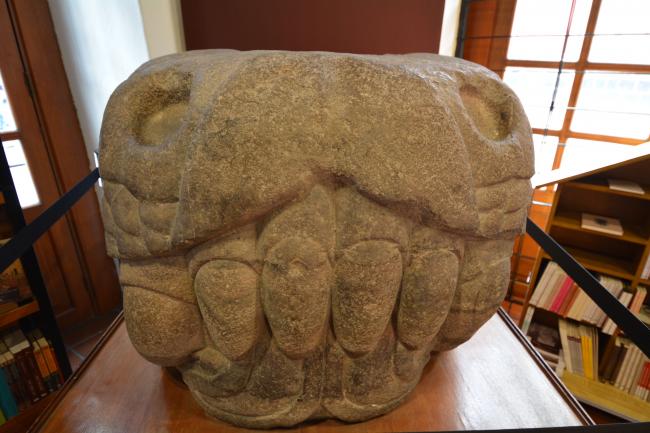
In one of the rooms of what was once the continent's first printing house, now used as a library by the Autonomous Metropolitan University (UAM), a monumental sculpture representing a snake's head is on display.
The serpent head belonging to the Tezcatlipoca Ensemble was carved from basalt rock and measures 1.25 m long by 75 cm wide and 66 cm high. It is possible that the sculpture was displayed in one of the houses that existed on this site during the New Spain period.
The discovery of this sculpture is due to the archaeological salvage work carried out in October 1989 by archaeologist Guillermo Pérez Castro, a researcher at the then Subdirectorate of Archaeological Salvage of the National Institute of Anthropology and History.
The restoration and conservation work on the historic building, carried out by the UAM at that time, provided the opportunity for archaeological excavations that led to the discovery.
In addition to the sculpture representing a snake's head, carved volcanic stone blocks that originally must have been part of a bench, as well as other fragments of a frieze with stylized anthropomorphic and zoomorphic designs from the viceregal period, were found.
Source: Raúl Barrera Rodríguez, director of the Urban Archaeology Program